Upholstery Cleaning in Modern Homes: Fresh, Healthy, and Long-Lasting Furniture Care
Upholstery cleaning is one of the most overlooked parts of home maintenance, yet it has a major impact on how your home looks, feels, and smells. Sofas, chairs, ottomans, dining seats, and other fabric-covered furnishings collect dust, allergens, oils, pet hair, and everyday spills faster than most people realize. Over time, those hidden particles can dull the fabric, create odors, and shorten the life of your furniture. That is why upholstery cleaning matters for both appearance and hygiene.
Many homeowners focus on vacuuming floors and wiping counters, but upholstery cleaning deserves equal attention. Clean furniture not only improves indoor comfort, it also supports a healthier environment for families, guests, and pets. When fabric fibers are properly maintained, they stay brighter, softer, and more resilient. Whether you are dealing with a favorite couch, a dining chair set, or office seating, regular upholstery cleaning helps preserve your investment.
In this article, we will explore the value of upholstery cleaning, common cleaning methods, how to care for different fabric types, and when professional service can make the biggest difference. If you want furniture that looks better and lasts longer, the right approach to upholstery cleaning can transform your space.
Why Upholstery Cleaning Matters for Every Home

Furniture is used daily, which means it absorbs more than just visible dirt. Skin oils, food crumbs, dust mites, pollen, and airborne particles settle into fabric and padding. Without regular upholstery cleaning, these contaminants build up and can affect the comfort and cleanliness of your living space. A well-maintained sofa or chair does more than look attractive; it supports a cleaner indoor environment.
Another reason upholstery cleaning is important is odor control. Fabrics trap smells from pets, cooking, smoke, and spills. Even when a room looks tidy, stale odors can make the entire home feel less inviting. Proper upholstery cleaning helps remove the source of the smell instead of masking it with sprays or air fresheners. This creates a fresher, more pleasant atmosphere.
There is also a financial benefit. Furniture replacement can be expensive, especially for quality pieces. Regular upholstery cleaning helps protect stitching, fabric texture, and cushioning, which can extend the life of your furniture. In many cases, routine maintenance is far more affordable than replacing worn or stained items. That makes upholstery cleaning a practical choice for households that want long-term value.
Common Problems Upholstery Cleaning Can Solve

Upholstery cleaning addresses a wide range of issues that affect both appearance and performance. One of the most common problems is surface staining. Spilled coffee, juice, wine, and sauces can leave marks that become harder to remove the longer they sit. Quick and proper upholstery cleaning improves the chances of restoring the fabric without causing damage.
Another common issue is embedded dust and allergens. Even if a sofa looks clean from a distance, microscopic debris may still be trapped deep within the fibers. Regular upholstery cleaning reduces these hidden particles and can be especially helpful for people who are sensitive to dust or seasonal allergens. Cleaner fabric often means cleaner air around your seating areas.
Pet-related concerns are also a major reason people search for upholstery cleaning. Fur, dander, paw prints, and occasional accidents can create both visible and invisible messes. Upholstery cleaning methods designed for pet owners can help remove hair, sanitize surfaces, and reduce lingering odors. That makes furniture more comfortable for both humans and animals.
How Upholstery Cleaning Works
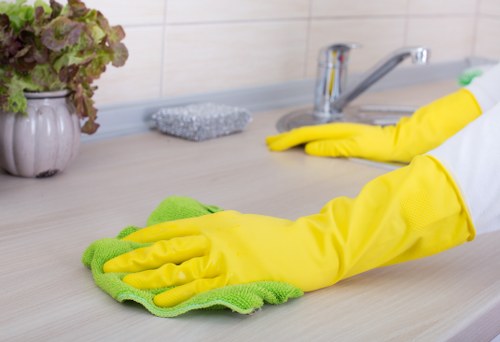
Professional upholstery cleaning usually starts with inspection. The cleaner identifies the fabric type, the condition of the furniture, and any problem areas such as stains, odor sources, or heavy wear. This step is essential because different materials require different cleaning solutions and techniques. A careful inspection helps prevent damage and improves cleaning results.
Next comes pre-treatment. During upholstery cleaning, targeted solutions may be applied to loosen dirt and break down stains before the main extraction or agitation process begins. This is especially useful for greasy spots, food spills, and high-traffic areas like seat cushions and armrests. Pre-treatment helps the cleaning product work more effectively.
The main cleaning stage can vary depending on the method used. Some upholstery cleaning services rely on hot water extraction, while others use low-moisture techniques, dry foam, or specialized fabric-safe solvents. After cleaning, the furniture is carefully dried to minimize moisture retention. Proper drying is a critical part of upholstery cleaning because excessive dampness can lead to odor, residue, or mold growth.
Popular Upholstery Cleaning Methods
Hot Water Extraction
Hot water extraction is one of the most common upholstery cleaning methods. It uses heated water and cleaning agents to loosen dirt from the fibers, then extracts the solution along with grime and residue. This method can be highly effective for deep cleaning, especially on durable fabrics that can tolerate moisture. It is often chosen for heavily used sofas and chairs.
Hot water extraction works well when contamination is deep in the upholstery rather than just on the surface. However, it is not suitable for every material, so it should only be used when the fabric manufacturer’s care instructions allow it. When done correctly, this form of upholstery cleaning can deliver noticeable freshness and a cleaner appearance.
Dry Cleaning
Dry cleaning methods use minimal moisture and are often preferred for delicate fabrics. In upholstery cleaning, this approach may involve special compounds or low-water techniques that lift soil without saturating the material. It is a practical option for fabrics that might shrink, stain, or warp with too much water. Dry cleaning can be especially useful for fine textiles and decorative furniture.
Because dry cleaning uses less liquid, drying time is typically shorter. That makes it a convenient upholstery cleaning choice for busy households or office environments. Still, the best method depends on the fabric, the level of soil, and the type of stain being treated.
Foam Cleaning
Foam upholstery cleaning uses a foaming solution that penetrates fabric fibers while limiting the amount of moisture applied. The foam helps lift dirt, and then it is removed with vacuuming or gentle extraction. This method can work well for regular maintenance and lighter soiling. It is often selected when a balance between cleaning power and fabric protection is needed.
Foam cleaning is popular because it can freshen furniture without over-wetting the padding underneath. For households that want effective upholstery cleaning with reduced drying time, foam-based treatment may be a strong option. The right product selection is important to avoid residue or fabric damage.
Choosing the Right Upholstery Cleaning Approach for Different Fabrics

Not all upholstery responds the same way to cleaning. Cotton, linen, microfiber, wool, leather, velvet, and synthetic blends each have different care needs. Understanding the fabric type is one of the most important parts of successful upholstery cleaning. A method that works well on one surface could damage another.
Microfiber is popular in many homes because it is durable and relatively easy to maintain. Upholstery cleaning for microfiber often focuses on lifting oily spots and restoring texture. Cotton and linen may require more careful handling because they can wrinkle or absorb stains quickly. Gentle upholstery cleaning products and controlled moisture are usually best.
Leather needs special attention. While technically not fabric, leather furniture is often included in upholstery care discussions. Cleaning leather involves removing dust and grime while preserving the natural oils that keep it supple. Using harsh chemicals can dry it out or create cracks, so leather upholstery cleaning should always be done with suitable products.
Velvet and similar plush materials are more delicate and often require very careful upholstery cleaning. These fabrics can flatten or become patchy if treated too aggressively. A skilled approach ensures the pile remains soft and visually appealing. In all cases, reading the manufacturer’s care label is a smart first step before any upholstery cleaning begins.
Signs Your Furniture Needs Upholstery Cleaning

Some furniture clearly needs attention, but other pieces may look fine on the surface while hiding buildup inside. One obvious sign is visible staining. Even small marks can make a sofa or chair appear worn. If spills are left untreated, upholstery cleaning becomes more challenging, so acting quickly is always best.
Another sign is dullness. When fabric loses its original color or texture, it may be holding onto dust and oils. Upholstery cleaning can restore brightness and make furniture look more inviting. If you notice your living room feels less fresh than it used to, the problem may be in the seating surfaces rather than the air itself.
Odors are also a strong indicator that upholstery cleaning is due. Smells from pets, smoke, and everyday use can sink deep into fabric. If you clean the room but the odor remains, the source may be the furniture. Upholstery cleaning helps remove trapped smells and improves the overall ambiance.
You may also notice increased allergy symptoms when sitting on certain furniture. Sneezing, itchy eyes, or congestion can be linked to dust and allergens embedded in upholstery. Regular upholstery cleaning can help reduce these triggers and create a more comfortable indoor setting for sensitive individuals.
Benefits of Professional Upholstery Cleaning
Deeper Results
Professional upholstery cleaning typically offers deeper results than basic home cleaning because trained technicians use equipment and products designed for fabric care. They can reach embedded grime, manage tough stains, and apply methods suited to each material. This leads to a more complete clean and a fresher finish.
Professional service also reduces the risk of common mistakes. Over-saturating fabric, using the wrong cleaner, or scrubbing too hard can cause irreversible damage. By choosing expert upholstery cleaning, you lower the chance of fading, shrinking, residue buildup, or texture changes.
Better Stain Treatment
Some stains are stubborn and require specialized treatment. Wine, ink, makeup, grease, and pet accidents often respond better to professional upholstery cleaning techniques. Technicians can identify the stain type and use the most appropriate solution, improving the odds of successful removal.
Another advantage is consistency. A professional upholstery cleaning service can treat the entire piece evenly, preventing patchiness and water marks. That level of detail can make a big difference in how the furniture looks after cleaning.
Time and Convenience
For busy households, professional upholstery cleaning saves time and effort. Instead of testing products, scrubbing stains, and waiting for furniture to dry, you can let trained specialists handle the work efficiently. This convenience is one reason many homeowners schedule upholstery cleaning as part of seasonal maintenance.
Book your service now if you want to save time while getting reliable results. A professional can assess the fabric, select the best process, and help your furniture look refreshed without unnecessary stress.
Upholstery Cleaning Tips for Between Professional Visits
Routine care makes a major difference between deep cleanings. Simple habits can help keep furniture in better condition and reduce the need for intensive upholstery cleaning. One of the easiest steps is regular vacuuming with an upholstery attachment. This removes dust, crumbs, and pet hair before they settle deeper into the fibers.
Another helpful habit is quick spill response. The faster you address a spill, the less chance it has to set. Blot the area gently with a clean cloth rather than rubbing it, which can push the stain deeper. Spot care can support upholstery cleaning efforts and improve long-term results.
Using throws or removable covers on high-traffic seating can also help protect fabric. This is especially useful in homes with children or pets. While covers do not replace upholstery cleaning, they can reduce wear and make maintenance easier.
- Vacuum furniture weekly to remove dust and debris
- Blot spills immediately with a dry, clean cloth
- Rotate cushions to encourage even wear
- Avoid eating messy foods on delicate upholstery
- Keep pets groomed to reduce fur and dander buildup
These small habits extend the life of furniture and support a cleaner home. When combined with scheduled upholstery cleaning, they help keep seating areas looking and smelling fresh.
DIY Upholstery Cleaning vs. Professional Service
Many homeowners try DIY upholstery cleaning first, and in some cases that is a reasonable choice. Light surface dusting, vacuuming, and simple spot treatment can handle everyday maintenance. However, DIY upholstery cleaning can become risky when stains are old, fabrics are delicate, or the furniture has a hidden odor problem.
Professional upholstery cleaning offers advantages in product selection, equipment, and expertise. Technicians are trained to identify fabric codes and apply the correct method. This is especially important for upholstery cleaning on expensive furniture, antique pieces, or specialty materials. A mistake made during DIY cleaning can be costly.
If you decide to do some cleaning at home, always test a small hidden area first. Use minimal moisture, avoid harsh chemicals, and never soak the cushion. Even simple precautions can help prevent damage. Still, for deep soil or persistent stains, professional upholstery cleaning is usually the safer and more effective option.
How Often Should Upholstery Cleaning Be Done?
The ideal frequency depends on how much the furniture is used. In a typical home, upholstery cleaning is often recommended once or twice a year. However, households with pets, children, smokers, or allergy-sensitive family members may need more frequent service. High-use furniture can accumulate soil quickly and benefit from a more regular schedule.
Office spaces and commercial seating may require even more frequent upholstery cleaning because of daily traffic. Waiting too long can allow dirt to bond with the fibers, making cleaning more difficult. Regular maintenance keeps furniture in better condition and reduces the likelihood of long-term staining.
A practical approach is to inspect furniture seasonally. Look for visible dirt, odor, discoloration, and changes in texture. If you notice any of these signs, it may be time to arrange upholstery cleaning. A routine schedule is often the easiest way to protect both appearance and comfort.
- Every 6 to 12 months for average home use
- Every 3 to 6 months for pet-friendly households
- Seasonally for homes with allergy concerns
- More often for commercial seating areas
What to Expect from a Quality Upholstery Cleaning Service
A quality upholstery cleaning service should start with a fabric assessment and explain the method being used. Clear communication matters because it helps you understand how the furniture will be treated and what results to expect. A reputable service will also discuss any risks before beginning the work.
During the process, technicians should handle the furniture with care, use suitable tools, and avoid leaving excessive moisture behind. Good upholstery cleaning is not just about removing visible dirt; it is about preserving the life of the fabric and cushion structure. Attention to detail is what separates average service from excellent results.
After the cleaning is complete, the furniture should dry in a reasonable amount of time, depending on the fabric and method used. The piece should look cleaner, smell fresher, and feel more comfortable. When upholstery cleaning is done properly, the difference is usually easy to notice right away.
Important qualities to look for
- Knowledge of different fabric types
- Use of safe and effective cleaning products
- Careful stain and odor treatment
- Transparent explanations of the process
- Respect for the condition of your furniture
Making Upholstery Cleaning Part of a Healthier Home
Clean furniture contributes to a healthier home overall. When upholstery cleaning removes dust, allergens, and contaminants, it supports better indoor comfort. This is especially valuable in living rooms, family rooms, bedrooms, and any space where people sit for extended periods. A cleaner seating area can make the whole home feel more organized and welcoming.
There is also a psychological benefit. Fresh furniture makes a room look cared for, which can improve the mood of everyone in the home. Upholstery cleaning is one of those maintenance tasks that has both visible and invisible rewards. You see the improvement, but you also experience it in the form of freshness, comfort, and peace of mind.
For homeowners preparing for guests, moving into a new place, or simply wanting a better daily environment, upholstery cleaning is a smart step. It enhances the home without requiring a major renovation. If your furniture has lost its brightness or smells less than fresh, now is the right time to act. Contact us today to take the next step toward cleaner, better-looking seating and a more comfortable living space.
Final thought
Regular upholstery cleaning is not just about appearance. It is about protecting your furniture, improving indoor cleanliness, and keeping your home inviting for everyday life. Whether you choose professional service or routine at-home care, consistent attention will help your upholstery last longer and look its best. Make upholstery cleaning part of your home care routine, and you will enjoy the benefits every time you sit down.