Communal Area Cleaning: Creating Safer, Cleaner, and More Welcoming Shared Spaces
Communal area cleaning plays a vital role in maintaining the comfort, hygiene, and appearance of shared spaces. Whether in apartment blocks, office buildings, residential complexes, student accommodations, or mixed-use properties, communal area cleaning helps ensure that lobbies, hallways, staircases, elevators, reception areas, and shared facilities remain presentable and sanitary. A well-maintained shared environment not only supports health and safety but also improves the overall experience for tenants, visitors, customers, and staff.
For property managers and building owners, communal area cleaning is more than a routine task. It is part of a broader strategy for preserving property value, reducing complaints, and creating a positive first impression. In busy buildings, common areas quickly accumulate dust, dirt, debris, fingerprints, spills, and bacteria. Regular communal area cleaning prevents these issues from building up and helps keep the environment orderly throughout the day.
In many cases, the quality of communal area cleaning also reflects the standard of the property itself. Clean shared spaces signal professionalism, care, and attention to detail. This is especially important in spaces where multiple people use the same surfaces and facilities every day. From a health perspective, frequent cleaning of communal touchpoints helps reduce the spread of germs and contributes to a more hygienic indoor environment.
Why Communal Area Cleaning Matters

Communal area cleaning is essential because shared areas experience heavier foot traffic than private spaces. This constant use means dirt and contamination can spread quickly. Entrance mats gather mud and debris, lift buttons collect fingerprints, handrails become high-contact surfaces, and floors can become slippery if not cleaned regularly. Proper cleaning routines keep these spaces safer and more comfortable for everyone who uses them.
Another important reason for consistent communal area cleaning is resident and tenant satisfaction. People notice when shared spaces are dusty, cluttered, or poorly maintained. On the other hand, clean communal areas create a sense of pride and trust. They show that the property is managed responsibly and that the well-being of occupants is being taken seriously.
There is also a financial benefit. Well-executed communal area cleaning helps preserve finishes, flooring, carpets, paintwork, fixtures, and fittings. Dirt and grime can wear down surfaces over time, leading to premature replacement or repair costs. By investing in regular cleaning, property managers can extend the lifespan of building assets and maintain a more attractive property for longer.
Key Areas Covered in Communal Area Cleaning
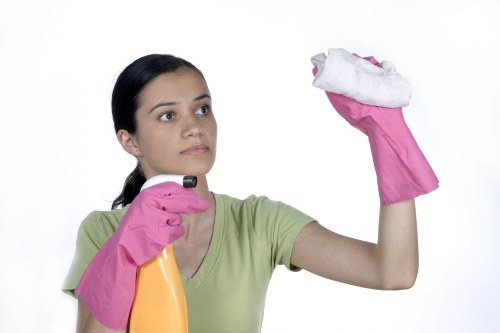
Communal area cleaning covers a wide range of shared zones, each with its own cleaning requirements. In residential and commercial buildings, a thorough plan should address both visible surfaces and overlooked spaces. The most commonly serviced areas include:
- Entrances and foyers
- Hallways and corridors
- Staircases and landings
- Lifts and elevator interiors
- Mail areas and parcel stations
- Reception and waiting areas
- Shared kitchens and break rooms
- Shared toilets and washrooms
- Bin stores and waste collection points
- External pathways and access points
Each of these spaces requires a specific approach. For example, communal area cleaning in a lobby may involve polishing floors, dusting surfaces, and sanitizing touchpoints, while a stairwell may require sweeping, vacuuming, cobweb removal, and rail cleaning. Shared kitchens and toilets demand more intensive sanitation due to higher hygiene risks. A tailored plan ensures nothing important is missed.
Attention to detail matters just as much as frequency. Even if a building is cleaned often, neglecting corners, skirting boards, door handles, or light switches can leave the space looking untidy. Effective communal area cleaning focuses on both the obvious and the hidden areas that contribute to overall cleanliness.
Benefits of Professional Communal Area Cleaning
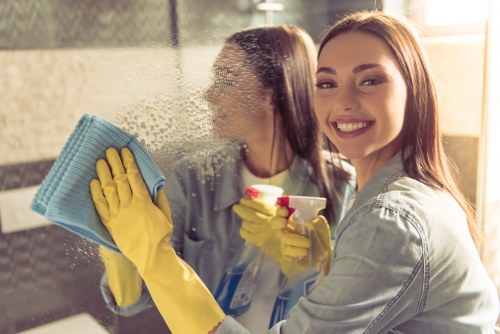
Professional communal area cleaning offers several advantages over occasional or irregular cleaning. Trained cleaners know how to work efficiently in shared environments while minimizing disruption to residents, employees, or visitors. They also understand which products and techniques are best suited to different surfaces, helping to protect the building from damage.
One of the main benefits is consistency. With a structured cleaning schedule, communal spaces remain clean throughout the week rather than only after they have become visibly dirty. This consistency helps maintain a polished appearance and prevents hygiene issues from escalating. It also reduces the workload for staff who may otherwise have to address avoidable messes.
Professional communal area cleaning can also improve safety. Clean floors reduce the risk of slips and falls, especially in rainy weather or high-traffic buildings. Sanitized handrails, buttons, and door handles help reduce the spread of bacteria and viruses. In addition, professional cleaners can identify maintenance issues such as leaks, damaged tiles, or mold growth before they become more serious problems.
Practical advantages for property managers
Property managers often benefit from outsourcing communal area cleaning because it helps them maintain standards without adding extra pressure to in-house teams. It can also provide reliable documentation, predictable schedules, and scalable services that adapt to changing building needs. When cleaning is managed properly, the whole building feels better organized and easier to oversee.
What a Good Communal Area Cleaning Routine Includes
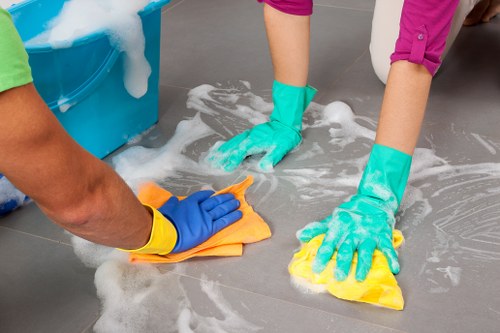
An effective communal area cleaning routine should be structured, repeatable, and based on the specific needs of the property. A strong plan generally includes daily, weekly, and periodic tasks. Daily cleaning may cover high-touch surfaces, litter removal, and floor maintenance, while weekly tasks might include deeper dusting, polishing, and detailed sanitation.
Typical tasks in communal area cleaning include:
- Dusting surfaces, ledges, frames, and fixtures
- Vacuuming carpets and runners
- Mopping hard floors with suitable cleaning solutions
- Cleaning windows, glass panels, and mirrored surfaces
- Sanitizing handrails, switches, door handles, and buttons
- Emptying bins and replacing liners
- Removing cobwebs and debris from ceilings and corners
- Spot-cleaning walls, skirting boards, and marks on surfaces
- Maintaining washrooms and shared kitchen areas
- Checking for hazards, spills, or maintenance concerns
A strong routine should also include seasonal or periodic deep cleaning. This may involve carpet shampooing, pressure washing external access areas, floor polishing, or specialist sanitation. These deeper services support the everyday cleaning schedule and help keep the property in excellent condition over time.
Consistency is the foundation
Consistency is what separates average results from excellent results in communal area cleaning. A building that is cleaned only when problems appear will never look as good as one that follows a consistent maintenance plan. Regular service keeps standards high and makes each cleaning visit more effective.
Communal Area Cleaning in Different Property Types
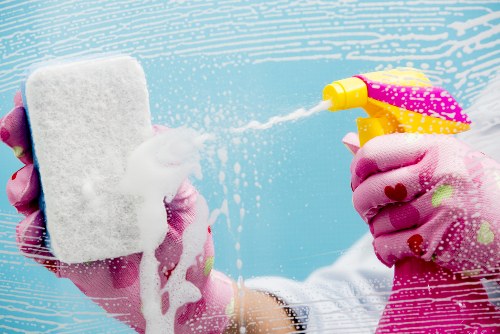
Communal area cleaning is not one-size-fits-all. The ideal approach depends on the type of building, how many people use it, and the level of traffic in shared areas. In residential developments, cleaning usually focuses on creating a welcoming environment for residents and guests. In office buildings, cleanliness also supports productivity and professionalism.
In apartment blocks, communal area cleaning often includes entryways, corridors, lifts, mailrooms, and staircases. These are the main routes residents use every day, so they need regular attention. In student accommodation, shared kitchens, bathrooms, and lounge areas may need more frequent sanitation because they are used heavily and by different people throughout the day.
Commercial buildings may require a broader scope that includes reception areas, washrooms, conference spaces, break rooms, and external walkways. Here, communal area cleaning supports not only hygiene but also brand image. Visitors and clients often form their opinion of a business from the appearance of shared spaces, making cleanliness a key part of presentation.
Custom cleaning plans for each setting
A successful service should be flexible enough to match each property’s needs. Some sites require early morning cleans before occupants arrive, while others need evening service or multiple visits each day. A custom communal area cleaning plan ensures the cleaning frequency, methods, and products align with traffic levels and usage patterns.
Shared environments benefit most when cleaning schedules are designed around real usage rather than a fixed routine that ignores actual demand. This approach improves efficiency and helps allocate resources where they are needed most.
Hygiene, Health, and Safety in Shared Spaces
Communal area cleaning has a direct impact on hygiene and safety. Shared spaces are exposed to a wide range of contaminants, including dust, food residue, mud, germs, and airborne particles. If not cleaned properly, these can lead to unpleasant odors, poor air quality, and a less healthy environment. In sensitive settings, the risks become even more significant.
Touchpoint cleaning is especially important. Door handles, lift buttons, banisters, intercoms, and light switches are touched by many people every day. Regular sanitizing of these surfaces is one of the most effective ways to reduce cross-contamination. This is why communal area cleaning should always include targeted disinfection of high-contact points.
Safety also depends on maintaining dry, clear, and clutter-free access routes. Spilled drinks, loose debris, and wet floors can create hazards in a matter of minutes. Professional communal area cleaning teams help reduce these risks by responding quickly and keeping shared spaces properly maintained. Safe spaces are clean spaces, and that relationship is especially true in busy buildings.
How cleanliness supports well-being
Clean surroundings can improve mood, reduce stress, and create a stronger sense of order. People are more likely to respect and care for spaces that are visibly maintained. This can have a positive ripple effect, encouraging better behavior in communal spaces and reducing unnecessary mess. In this way, communal area cleaning supports both physical health and overall well-being.
Choosing the Right Communal Area Cleaning Approach
Choosing the right communal area cleaning approach starts with understanding the building’s needs. Not all properties require the same level of service, and over-cleaning or under-cleaning can both lead to inefficiencies. A practical assessment should consider the number of users, floor materials, access points, seasonal factors, and any special hygiene concerns.
It is also helpful to set clear standards. Building managers should define what “clean” looks like in each area, including frequency expectations and the level of detail required. This makes it easier to monitor performance and ensure the service remains consistent. A good provider should be able to follow these standards while suggesting improvements based on experience.
Communication matters too. Shared spaces often change over time as occupancy levels rise, layouts shift, or usage patterns evolve. A responsive cleaning plan can adapt to these changes without losing quality. Whether the need is for a one-time deep clean or ongoing communal area cleaning, flexibility is a major advantage.
Questions to consider before setting a schedule
- How many people use the communal areas daily?
- Which surfaces receive the most contact?
- Are there any hygiene-sensitive areas?
- Do outdoor conditions affect indoor dirt levels?
- Are cleaning times best scheduled before or after peak use?
Best Practices for Maintaining High Standards
To maintain high standards in communal area cleaning, it helps to combine routine maintenance with occasional deep cleaning. Regular surface cleaning should be supported by periodic tasks that address dirt accumulation in less visible areas. This prevents gradual deterioration and keeps the building looking cared for at all times.
Using the right equipment is equally important. Microfiber cloths, commercial vacuums, scrubber dryers, and safe disinfectants can make a significant difference in both speed and quality. Products should always be chosen according to the surface being cleaned to avoid damage or residue build-up. In many cases, eco-friendly products are also preferred because they reduce harsh chemical exposure while supporting sustainability.
Another best practice is to keep an eye on problem areas. Busy corners, lift entrances, bin storage rooms, and stairwells may need more frequent attention than less-used spaces. Adjusting the cleaning plan based on real conditions helps ensure that communal area cleaning remains effective rather than merely routine. Flexibility and awareness are key to long-term success.
Common mistakes to avoid
Some of the most common mistakes in communal area cleaning include inconsistent schedules, use of unsuitable products, skipping high-touch surfaces, and ignoring minor maintenance issues. These mistakes can lead to visible wear, complaints, and unnecessary repair costs. A proactive approach prevents small issues from becoming bigger and more expensive problems.
The Role of Eco-Friendly Cleaning in Communal Spaces
Eco-friendly cleaning has become increasingly important in communal area cleaning. Many property owners and managers now prefer methods that reduce environmental impact while still delivering excellent results. This can include low-toxicity products, reduced water waste, refillable containers, and cleaning systems that minimize chemical use.
Sustainable communal area cleaning is especially appealing in residential and office environments where occupants may be sensitive to strong odors or harsh chemicals. Green cleaning methods can support healthier indoor air quality and reduce the environmental footprint of the building. They also align well with modern expectations around responsible property management.
Choosing sustainable options does not mean lowering standards. In fact, many eco-conscious products and processes are highly effective when used correctly. The key is to match the right solution to the surface and the level of soiling. Clean, safe, and environmentally aware can all go hand in hand.
Why Regular Inspections Improve Results
Regular inspections help keep communal area cleaning aligned with expectations. They allow building managers or supervisors to review standards, identify missed areas, and confirm that the cleaning plan is working. A building may look acceptable at a glance while still having issues in corners, vents, or less visible touchpoints. Inspections help catch these details early.
Inspection checklists can be especially useful. They create a repeatable way to assess entrances, floors, bins, walls, doors, windows, and sanitary areas. When combined with clear reporting, checklists provide a practical system for tracking improvements over time. This makes communal area cleaning more measurable and easier to manage.
Regular reviews also support accountability. When performance is checked consistently, it becomes easier to maintain a high standard and address any issues quickly. The result is a cleaner, more reliable environment for everyone using the shared property.
Long-term value of good maintenance
Well-maintained communal spaces contribute to tenant retention, better building reputation, and stronger perceived value. Over time, these benefits can be far greater than the cost of the cleaning itself. That is why many property owners view communal area cleaning as an investment rather than a basic expense.
How to Improve the Experience of Shared Spaces
Improving the experience of shared spaces goes beyond simply making them look tidy. It involves creating environments that feel fresh, orderly, and cared for. Communal area cleaning supports this by reducing clutter, improving hygiene, and preserving a professional appearance. When residents, staff, or visitors enter a clean shared area, they immediately feel more comfortable.
Small details matter. Fresh-smelling entrances, streak-free glass, clean flooring, and polished handrails all contribute to a better atmosphere. These finishing touches may seem minor, but they shape how people perceive the entire property. Over time, regular communal area cleaning helps establish a consistent standard that people come to expect and appreciate.
For busy buildings, the best results come from combining regular cleaning with strong maintenance habits. Encouraging occupants to keep shared spaces tidy, reporting spills quickly, and addressing wear promptly all support the cleaning process. Together, these practices create a more pleasant and functional environment.
Conclusion: A Cleaner Shared Environment Starts with the Right Plan
Communal area cleaning is one of the most important parts of managing shared properties effectively. It supports hygiene, safety, appearance, and long-term maintenance while helping occupants feel more comfortable in the spaces they use every day. From apartment corridors to office lobbies and shared facilities, a consistent cleaning routine makes a visible difference.
When communal area cleaning is done properly, the benefits extend far beyond appearance. It helps prevent hazards, protects surfaces, improves first impressions, and contributes to the overall value of the property. A strong plan, regular inspections, and the right cleaning methods all play a part in achieving these results.
If you want to maintain a cleaner, safer, and more professional shared environment, now is the time to act. Contact us today to discuss your needs or book your service now and keep your communal areas looking their best all year round.