Regular Cleaning: Why It Matters for Health, Comfort, and Long-Term Value
Regular cleaning is more than a chore—it is a practical habit that improves daily life, supports better health, and helps spaces look and feel their best. Whether you manage a home, office, storefront, rental property, or shared facility, consistent cleaning routines can make a noticeable difference in safety, appearance, and maintenance costs. In today’s busy world, many people search for efficient ways to keep spaces fresh without feeling overwhelmed, and that is exactly where regular cleaning becomes essential.
When cleaning is done on a consistent schedule, dirt has less time to build up, allergens are reduced, and surfaces stay in better condition. This can lead to fewer repairs, fewer unpleasant odors, and a more welcoming environment overall. Regular cleaning also helps establish order, which can reduce stress and make everyday tasks easier. For homes and businesses alike, maintaining cleanliness is not just about appearances; it is about creating a space that works better for the people in it.
In this article, we will explore the value of ongoing cleaning, the main benefits, practical routines, and tips for keeping any environment cleaner for longer. If you have ever wondered how to improve your cleaning habits or why a steady routine matters so much, you will find useful insights here.
What Regular Cleaning Really Means
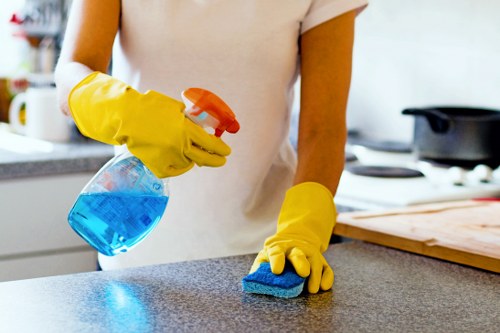
Regular cleaning refers to cleaning tasks carried out on a repeating schedule to prevent buildup and maintain hygiene. Rather than waiting until a space looks dirty, this approach focuses on consistent upkeep. It includes everyday tasks like wiping counters, vacuuming floors, sanitizing high-touch surfaces, and removing clutter before it becomes a bigger issue.
The purpose of regular cleaning is simple: keep spaces functional, safe, and pleasant. It is different from deep cleaning, which targets hidden dirt and harder-to-reach areas. While both are important, routine cleaning creates the foundation that makes more intensive work easier later. Without consistency, dust, grease, germs, and debris can accumulate quickly, making each future cleaning session more difficult.
For many households and organizations, regular cleaning also supports better time management. Small tasks completed frequently are usually easier to handle than large projects tackled infrequently. This is why many professionals recommend building a weekly or even daily cleaning plan based on space usage, traffic levels, and specific hygiene needs.
Why Regular Cleaning Matters for Health and Wellness
One of the strongest reasons to prioritize regular cleaning is health. Dust, mold spores, bacteria, and allergens can accumulate on surfaces, in carpets, and in hidden corners. For people with allergies, asthma, or sensitivities, this buildup can affect comfort and breathing. By keeping areas consistently clean, you reduce the chance of irritants spreading through the environment.
High-touch surfaces such as door handles, light switches, desks, and countertops can collect germs throughout the day. Routine sanitizing helps limit the spread of illness, especially in homes with children, workplaces with shared equipment, or public-facing businesses. This is one reason regular cleaning is often linked to better wellness and fewer sick days.
There is also a mental health connection. A clean space often feels calmer, more organized, and easier to use. Clutter and mess can create visual stress, while a well-maintained room can support focus and relaxation. Many people find that maintaining a clean environment makes daily life feel more manageable.
Regular Cleaning and the Value of Prevention
Prevention is one of the most overlooked benefits of regular cleaning. When grime is left on floors, tiles, appliances, or fixtures, it often becomes harder to remove and may cause permanent damage over time. Routine maintenance prevents stains from setting, protects finishes, and reduces wear caused by dirt and moisture.
For example, regular cleaning of kitchen surfaces helps prevent grease buildup that can stain cabinets or attract pests. In bathrooms, consistent wiping and disinfecting can reduce soap scum, mildew, and mineral deposits. In offices, routine floor care helps preserve carpets and hard flooring, extending their usable life. The financial value of this prevention can be significant.
In short, regular cleaning is not only about the present appearance of a room. It is also a long-term strategy for protecting the property itself. The more consistently you clean, the less likely you are to face expensive restoration, replacement, or emergency cleanup later.
How Regular Cleaning Supports a Better First Impression
First impressions matter in homes, rental properties, and commercial spaces. Visitors, clients, tenants, and employees all notice cleanliness quickly, even if they do not say it out loud. A polished environment suggests care, professionalism, and attention to detail. This is one reason regular cleaning is so important for businesses that want to build trust.
In a home, a clean entryway, dust-free living area, and tidy kitchen can make guests feel welcome immediately. In a workplace, clean reception areas and organized meeting rooms create a sense of competence and reliability. Even small details—like spotless mirrors, clean floors, and fresh-smelling air—can influence how people perceive a space.
Because first impressions happen quickly, regular upkeep is often more effective than occasional intensive cleaning. If a space is cleaned consistently, it is always ready to present its best version. That reliability is valuable in both personal and professional settings.
Key Areas That Benefit Most from Regular Cleaning
Not every area needs the same cleaning frequency, but some spaces should receive special attention due to heavy use or hygiene concerns. Prioritizing these areas helps keep the whole environment in better shape.
- Kitchen surfaces — countertops, sinks, appliances, and table areas can quickly collect food residue and bacteria.
- Bathrooms — toilets, showers, sinks, and faucets need routine sanitizing to prevent odors and buildup.
- Floors — vacuuming, sweeping, and mopping help remove dirt, allergens, and tracked-in debris.
- High-touch points — handles, switches, remotes, and shared devices should be cleaned often.
- Sleeping and seating areas — regular dusting, laundering, and surface care improve comfort and cleanliness.
These areas are often used daily, which means they can become dirty faster than less-frequented spaces. A thoughtful cleaning schedule focuses on the places that have the biggest impact on health, appearance, and convenience.
When regular cleaning is organized by priority, it becomes easier to stay consistent without spending unnecessary time on low-impact tasks. This approach makes maintenance more efficient and more sustainable over time.
Creating an Effective Regular Cleaning Routine
A successful routine does not need to be complicated. In fact, the best cleaning plans are often simple and realistic. The goal is to create habits that can be maintained week after week. Start by listing the areas that need attention, then divide tasks into daily, weekly, and monthly categories.
Daily tasks may include wiping counters, washing dishes, putting items away, sweeping high-traffic areas, and sanitizing frequently touched surfaces. Weekly tasks can include vacuuming, mopping, changing bedding, cleaning bathrooms, and dusting furniture. Monthly tasks might involve cleaning baseboards, washing windows, or organizing storage areas.
It helps to keep the routine flexible. Some weeks may require extra attention due to weather, events, or increased traffic. Other times, a lighter routine may be enough. The key is consistency, not perfection. Even a modest schedule can deliver strong results when followed regularly.
Tips for Staying Consistent
Consistency is the foundation of regular cleaning. These simple strategies can help keep the process manageable:
- Set a schedule — assign tasks to specific days so cleaning becomes part of the routine.
- Use checklists — a written list makes it easier to track progress and avoid missed tasks.
- Clean in short sessions — 10 to 20 minutes of focused work can be surprisingly effective.
- Store supplies nearby — keeping tools accessible reduces friction and saves time.
- Declutter first — removing items from surfaces makes cleaning faster and more thorough.
These methods make it easier to stay on top of cleaning without feeling overwhelmed. Once a routine becomes automatic, maintaining a clean environment takes far less effort than starting from scratch every time.
Regular Cleaning in Homes: Comfort and Function Combined
In a household, regular cleaning plays a major role in how comfortable and functional the space feels. Families often move through rooms quickly, which means surfaces can accumulate crumbs, dust, laundry, and clutter in a short time. A regular routine keeps the home more organized and easier to enjoy.
Children and pets can add to the cleaning load, but they also make consistency even more important. Toys, spills, paw prints, and everyday messes are easier to control when addressed quickly. This reduces the chance of stains, odors, and hidden grime. It also creates a healthier environment for everyone in the house.
For busy households, small daily habits can make a major difference. Making beds, wiping sinks, and putting items back in place can prevent the home from becoming chaotic. Over time, this steady approach leads to a cleaner, calmer, and more welcoming living space.
Regular Cleaning in Workplaces and Commercial Spaces
In workplaces, regular cleaning supports productivity, employee morale, and professional image. A clean office or commercial environment helps people concentrate and work comfortably. It also reduces the spread of dust and germs in shared spaces such as conference rooms, kitchens, and restrooms.
Clients and customers often judge a business by its cleanliness. A spotless lobby, tidy counters, and fresh-smelling areas can strengthen trust and encourage repeat visits. Businesses that invest in regular cleaning often benefit from improved customer perception and smoother day-to-day operations.
Commercial spaces may also have higher safety requirements. Spills on floors, clutter in hallways, and unsanitized surfaces can lead to accidents or compliance concerns. That is why many organizations prioritize routine cleaning as part of their standard maintenance plan. It protects both people and property while reinforcing professionalism.
Regular Cleaning vs. Deep Cleaning
Many people use the terms interchangeably, but regular cleaning and deep cleaning are not the same. Regular cleaning focuses on ongoing upkeep and visible hygiene. It includes everyday tasks that keep spaces fresh and usable. Deep cleaning goes further, targeting built-up dirt, hidden corners, and areas that are not cleaned as often.
Think of regular cleaning as maintenance and deep cleaning as restoration. Routine tasks help prevent major buildup, while periodic deep cleaning resets the space and addresses what daily cleaning cannot reach. A well-balanced plan usually includes both. Without regular upkeep, deep cleaning becomes more difficult and more time-consuming.
Knowing the difference helps set realistic expectations. If a space looks clean on the surface but still feels dusty, sticky, or stale, it may need a deeper treatment. If the space is maintained regularly, however, deep cleaning will usually take less time and effort.
Common Mistakes to Avoid with Regular Cleaning
Even with the best intentions, some habits can reduce the effectiveness of a cleaning routine. Avoiding these mistakes can improve results and save time:
- Waiting too long between tasks — buildup becomes harder to remove when cleaning is delayed.
- Using the wrong products — harsh or unsuitable cleaners can damage surfaces or leave residue.
- Skipping high-touch zones — these areas matter most for hygiene and should not be ignored.
- Cleaning in the wrong order — dusting before vacuuming or wiping before decluttering can waste effort.
- Trying to do everything at once — large tasks are easier to manage when broken into sections.
By staying mindful of these issues, you can make regular cleaning more efficient and more effective. Small improvements in method often lead to noticeably better outcomes.
Another common mistake is assuming that a space is “clean enough” just because it looks presentable. In reality, visible neatness does not always equal true cleanliness. Consistent routines help close that gap.
Choosing the Right Cleaning Products and Tools
The right tools can make regular cleaning easier and more effective. Microfiber cloths, vacuum cleaners, mops, disinfecting wipes, and gentle surface cleaners are staples in many routines. The goal is not to use the strongest products available, but the most suitable ones for each surface.
For example, glass should be cleaned with products that prevent streaks, while wood finishes may require gentler care. Bathrooms benefit from disinfecting products designed to remove buildup and germs. Kitchens often need degreasers or food-safe cleaners. Reading labels and following instructions helps protect both surfaces and users.
Organization also matters. A well-stocked cleaning caddy or storage area can reduce friction and make it easier to follow through. When supplies are easy to find, regular cleaning becomes less of a project and more of a routine habit.
The Long-Term Benefits of Regular Cleaning
The long-term rewards of regular cleaning are easy to underestimate. At first, it may simply seem like a way to keep things tidy. Over time, however, the benefits become much more visible. Spaces stay in better condition, surfaces last longer, and the need for major restoration is reduced.
There is also a lifestyle benefit. A consistently clean environment often encourages better habits overall. People tend to be more careful with their belongings, more organized in their daily routines, and more aware of what needs attention. That sense of order can support better time management and lower stress.
For businesses and property owners, the long-term advantages can include lower maintenance costs, improved tenant or customer satisfaction, and better asset preservation. In many cases, the small investment required for regular upkeep pays off many times over.
When to Consider Professional Support
Some cleaning tasks can be handled easily in-house, while others may benefit from professional help. Large properties, high-traffic facilities, or spaces with specialized hygiene requirements may need a more structured approach. Professional support can complement regular cleaning by handling deep cleaning, sanitization, and more detailed maintenance.
This does not mean routine upkeep should be ignored. In fact, a strong regular cleaning habit often makes professional services more effective. When surfaces are maintained consistently, professionals can focus on detailed work instead of excess buildup. This can improve results and save time overall.
If your schedule is demanding or your space sees frequent use, combining routine care with periodic professional services may be the most efficient solution. Regular cleaning remains the foundation either way.
Final Thoughts on Regular Cleaning
Regular cleaning is one of the simplest and most valuable ways to improve any environment. It protects health, enhances appearance, reduces stress, and supports long-term maintenance. Whether you are caring for a home, office, or commercial space, consistent upkeep makes everything easier to manage.
Instead of viewing cleaning as a task that only happens when things look messy, think of it as an ongoing habit that creates lasting benefits. Small actions repeated regularly are often more powerful than occasional major efforts. That is why regular cleaning remains one of the smartest investments in comfort, cleanliness, and peace of mind.
Ready to make your space cleaner, healthier, and easier to maintain? Contact us today or book your service now to take the next step toward a fresher environment.