Oven Cleaning in Modern Homes: Practical Tips, Safe Methods, and Lasting Results
Why Oven Cleaning Matters for Every Home
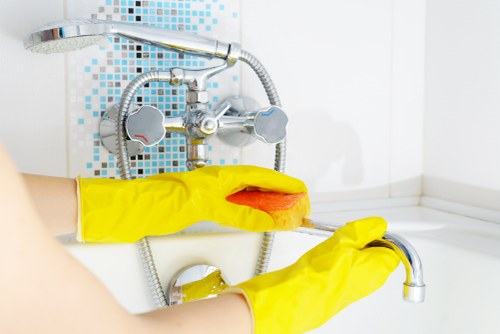
Oven cleaning is one of those household chores that many people delay until the buildup becomes impossible to ignore. Yet regular oven cleaning does more than improve appearance. It helps your kitchen stay hygienic, reduces smoke during cooking, and supports better-tasting meals. A clean oven can also make your appliances work more efficiently, which matters whether you cook occasionally or prepare family dinners every day.
When grease, burnt food, and carbon deposits collect inside the oven, they can affect heat distribution. That means dishes may cook unevenly or take longer than expected. Over time, neglected oven cleaning may even create unpleasant odors that spread through your kitchen. For homeowners, renters, and property managers alike, keeping the oven in good condition is a smart investment in both comfort and safety.
Many people assume oven cleaning has to be difficult, but with the right routine, it becomes manageable. From simple wipe-downs after cooking to deeper cleaning sessions, the process can fit easily into household maintenance. Oven cleaning is not just about removing visible stains; it is about preserving the quality and performance of one of the most-used appliances in the home.
Understanding the Common Challenges of Oven Cleaning

One reason oven cleaning feels overwhelming is the type of residue that builds up inside. Grease splatter, spilled sauces, melted cheese, and food crumbs can harden quickly when exposed to heat. Once this happens, the oven interior often requires more than a quick wipe. Burnt-on residue can cling to racks, glass doors, trays, and the bottom of the appliance.
Another challenge is that not all ovens are the same. Conventional ovens, fan-assisted ovens, self-cleaning models, and steam-cleaning appliances each require slightly different care. Using the wrong products or tools can damage surfaces or leave behind chemicals that are unsafe for food preparation areas. That is why understanding the type of oven you have is an important first step in effective oven cleaning.
Many households also struggle with time. Busy schedules make it easy to postpone cleaning until the oven is heavily soiled. However, regular maintenance is usually much easier than deep restoration. If you want results that last, it helps to treat oven cleaning as a routine task rather than a once-a-year emergency.
Best Times to Clean Your Oven

Timing matters when it comes to oven cleaning. A freshly used oven that has cooled slightly is often easier to clean than one that has been left untouched for weeks. While you should never attempt cleaning immediately after use, waiting until the appliance is warm rather than hot can help loosen grease and make wiping more effective. Always follow the manufacturer’s safety instructions before starting.
For most homes, a light cleaning every one to two weeks works well, especially if the oven is used frequently. A deeper oven cleaning session may be needed every few months depending on how often you cook, whether you roast meats, and how much food tends to splatter. Households that bake often may need more regular attention than those that use the oven only occasionally.
Consistency is the key. Small, regular cleaning habits can prevent the heavy buildup that leads to stubborn stains. By staying ahead of grease and burnt residue, you reduce the need for harsh scrubbing and save time in the long run.
Preparing for Oven Cleaning Safely

Before beginning oven cleaning, it is important to prepare the area properly. Start by switching the appliance off and allowing it to cool completely if necessary. Remove oven racks, trays, thermometers, and any loose accessories so every surface can be reached. If your oven has a self-cleaning function, check the manual before using any products inside the cavity.
Gather the tools you will need in advance. Common items include microfiber cloths, a soft sponge, rubber gloves, a plastic or silicone scraper, warm water, dish soap, baking soda, and a spray bottle. Some people also use white vinegar for finishing touches because it can help remove residue and odors. Always avoid abrasive pads on delicate surfaces, as they may scratch the enamel or glass.
Ventilation is another important part of safe oven cleaning. Open a window or switch on an extractor fan to keep the air circulating. If you are using store-bought cleaning agents, read the label carefully and never mix chemicals. A careful approach makes the process safer and more effective, especially in kitchens with limited airflow.
Step-by-Step Oven Cleaning Routine
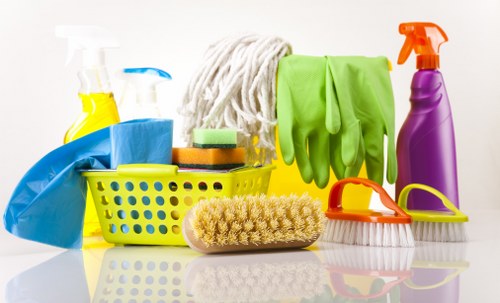
A structured oven cleaning routine helps you work efficiently and avoid missing important areas. While different products and methods can be used, the following approach is suitable for many households:
- Remove racks, trays, and accessories.
- Wipe away loose crumbs and debris from the interior.
- Apply a cleaning paste or approved oven cleaner to dirty areas.
- Allow the product to sit for the recommended amount of time.
- Scrub gently with a non-abrasive sponge or cloth.
- Rinse thoroughly to remove residue.
- Clean the door glass, handles, and exterior surfaces.
- Dry everything before reassembling the oven.
This simple method works well because it breaks the job into manageable stages. For deep oven cleaning, you may need to repeat certain steps on heavily soiled spots. Patience is often more effective than aggressive scrubbing, especially when dealing with burnt-on marks.
It is also helpful to clean racks separately in warm soapy water or a soaking solution. Racks often hold baked-on grease and can take longer than the oven cavity itself. Once dry, they can be reinserted and the appliance will look noticeably fresher.
Natural Methods for Oven Cleaning
Baking Soda and Vinegar Approach
Many households prefer natural oven cleaning methods because they are affordable and reduce exposure to strong chemicals. A popular option is a paste made from baking soda and water. This mixture can be spread across dirty surfaces and left for several hours or overnight. The paste helps loosen grime so it can be wiped away more easily the next day.
After the baking soda paste has done its work, a light spray of vinegar can help lift remaining residue and neutralize odors. The reaction between the two ingredients may create a fizzing effect, which can assist in loosening dirt. While this method may require more time than commercial cleaners, it is often a good choice for routine oven cleaning.
Natural cleaning methods are especially useful for households looking to maintain a fresher kitchen without relying on harsh fumes. They may not remove the most severe buildup in one attempt, but they can be very effective when used consistently.
Additional Natural Options
Other mild cleaning approaches can also support oven maintenance:
- Warm soapy water for light grease and surface dust.
- Steam from a heat-safe bowl of water to loosen soft residue.
- Lemon juice mixed with water for a fresher smell.
- Microfiber cloths for streak-free finishing.
These methods are best for regular upkeep rather than major restoration, but they are useful tools in an ongoing oven cleaning routine.
Using Commercial Oven Cleaning Products
When Stronger Solutions Make Sense
Sometimes natural products are not enough, especially if the oven has years of grease buildup or visible burnt-on deposits. In these cases, a commercial oven cleaning product may be more suitable. Many of these products are formulated to cut through stubborn grime quickly, making them helpful for deep oven cleaning sessions. However, they should always be used carefully and exactly as directed.
Before applying any commercial solution, check that it is suitable for your oven type. Some products are designed for specific interior finishes or for use only on certain parts of the appliance. Avoid applying cleaner to heating elements, fans, seals, or electronic controls unless the label explicitly says it is safe to do so.
Always wear gloves and ensure good ventilation. If the product suggests a set waiting period, do not rush the process. Allowing the cleaner to work properly often means less scrubbing later and a more polished result. Once the residue has lifted, wipe the oven carefully with clean water until no product remains.
Smart Precautions
- Test the cleaner on a small area first if you are unsure.
- Keep children and pets away during the cleaning process.
- Never combine different cleaning products.
- Follow the manufacturer’s instructions for contact time and rinsing.
Cleaning Oven Doors, Racks, and Trays
Oven cleaning is most effective when every component gets attention. The door glass, for example, often collects splashes from roasting and baking. To clean it, use a gentle cleaner and a soft cloth or sponge. For stubborn marks, a baking soda paste can be applied and then wiped away carefully. Avoid sharp tools that could scratch the glass or damage any coating.
Racks and trays usually need soaking because grease tends to cling to their corners and edges. Warm water mixed with dish soap can loosen the grime, while a mild scrub brush can help remove the rest. If the buildup is severe, a longer soak may be necessary. Dry all metal parts fully before putting them back in place to prevent rust and odors.
Handles, knobs, and exterior panels should not be forgotten. These areas are touched often and can collect fingerprints, grease, and food splashes. Regular wiping helps maintain a neat appearance and makes the whole appliance look cleaner, even between deep oven cleaning sessions.
How to Maintain a Cleaner Oven for Longer
Simple Habits That Reduce Build-Up
The easiest way to reduce oven cleaning time is to prevent heavy buildup from forming in the first place. Small habits can make a major difference. For example, placing a baking sheet or oven-safe tray under casseroles and pies can catch spills before they reach the base. Using lids or foil carefully, where appropriate, may also help reduce splatter during roasting.
Wiping the oven quickly after cooking, once it has cooled, can stop fresh residue from hardening. Even a 30-second clean-up can prevent a much bigger job later. If a spill happens, deal with it soon rather than waiting for the next deep clean. This approach is especially useful for sauces, melted sugar, and cheese, which become harder to remove after repeated heating.
Regular maintenance also includes checking the door seals and vents. A damaged seal can allow grease and heat to escape in ways that affect performance. By paying attention to these small details, you support both better hygiene and better cooking results.
Maintenance Checklist
- Wipe spills once the oven is cool.
- Use liners or trays to catch drips when suitable.
- Clean racks and glass regularly.
- Inspect seals, hinges, and vents.
- Schedule deeper oven cleaning before buildup becomes severe.
Signs Your Oven Needs Deep Cleaning
There are a few clear signs that oven cleaning should move from routine maintenance to a deeper session. If you notice smoke while cooking, lingering burnt smells, dark grease marks, or visible crusted debris, the appliance likely needs more than a quick wipe. Another sign is uneven heating or food that seems to cook differently than it used to.
Burnt residue can also produce a slight haze on the oven door or around the interior walls. This not only looks unattractive, but it can also make it harder to monitor food while it bakes. A dirty oven is more likely to cause frustration during everyday cooking because it adds uncertainty to temperature control and cooking times.
Do not ignore recurring smoke or smells. These symptoms often indicate accumulated residue that should be removed before it worsens. Prompt oven cleaning can restore both the appearance and performance of the appliance.
Oven Cleaning Mistakes to Avoid
Protecting Your Appliance and Your Health
Although oven cleaning is straightforward in theory, a few common mistakes can create problems. One of the biggest mistakes is using metal scrapers or abrasive pads on delicate surfaces. These tools can scratch enamel, damage glass, and leave permanent marks. Another error is applying too much liquid, especially around electrical components or vents.
People also sometimes rush through the rinsing stage. Any cleaner left behind may create fumes the next time the oven heats up. That is why thorough removal is just as important as the cleaning itself. Whether you use natural or commercial methods, make sure all residues are wiped away before cooking again.
It is also worth avoiding overly strong cleaning solutions on self-cleaning or specialty ovens without checking the manufacturer’s recommendations. Different models have different requirements, and a one-size-fits-all approach can lead to damage. Careful cleaning protects the appliance and saves money over time.
Common Errors
- Scrubbing with sharp or abrasive tools.
- Leaving chemical residue inside the oven.
- Using unsuitable cleaners on specific oven models.
- Forgetting racks, knobs, and door seals.
- Waiting too long between cleanings.
Why Professional Oven Cleaning Can Be Worth It
While many homeowners handle oven cleaning themselves, there are times when professional help makes sense. Extremely dirty ovens, rental turnovers, end-of-tenancy cleaning, or appliances with stubborn grease layers may benefit from expert treatment. Professional cleaners often have specialized equipment and stronger solutions that can restore the oven more efficiently than standard household products.
Another advantage of professional oven cleaning is convenience. If your schedule is busy or you want to avoid spending hours on scrubbing, outsourcing the task can save time and effort. This is especially valuable for households preparing for events, property inspections, or seasonal deep cleaning.
For people who value a spotless kitchen but prefer not to tackle the toughest grime themselves, professional support can be a practical solution. If your oven has reached a point where normal cleaning no longer works well, book your service now and get the appliance back in excellent shape.
Final Thoughts on Effective Oven Cleaning
Oven cleaning does not need to be stressful, expensive, or time-consuming when it becomes part of your normal home care routine. By using the right tools, following safe methods, and cleaning before buildup becomes extreme, you can keep your oven in excellent condition throughout the year. A clean appliance looks better, smells better, and often performs better too.
Whether you prefer natural methods, commercial products, or professional help, the important thing is consistency. Regular oven cleaning supports a healthier kitchen and reduces the frustration of facing thick grease or burnt residue later on. If your oven is due for attention, take the first step today and make maintenance a habit rather than a chore.
Ready to improve your kitchen routine? Contact us today and keep your oven working at its best.