What to know about rubbish disposal rules Kingston Council
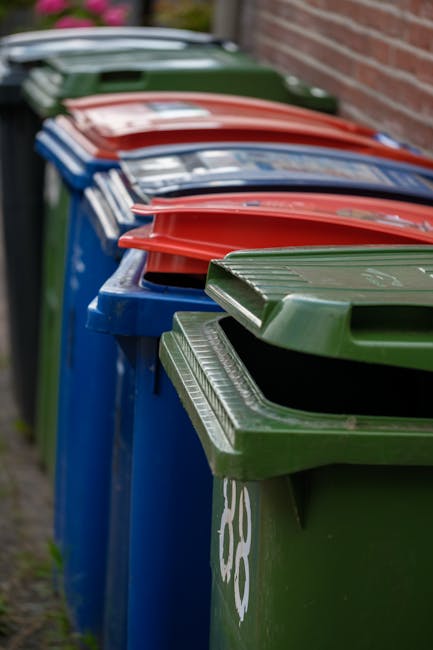
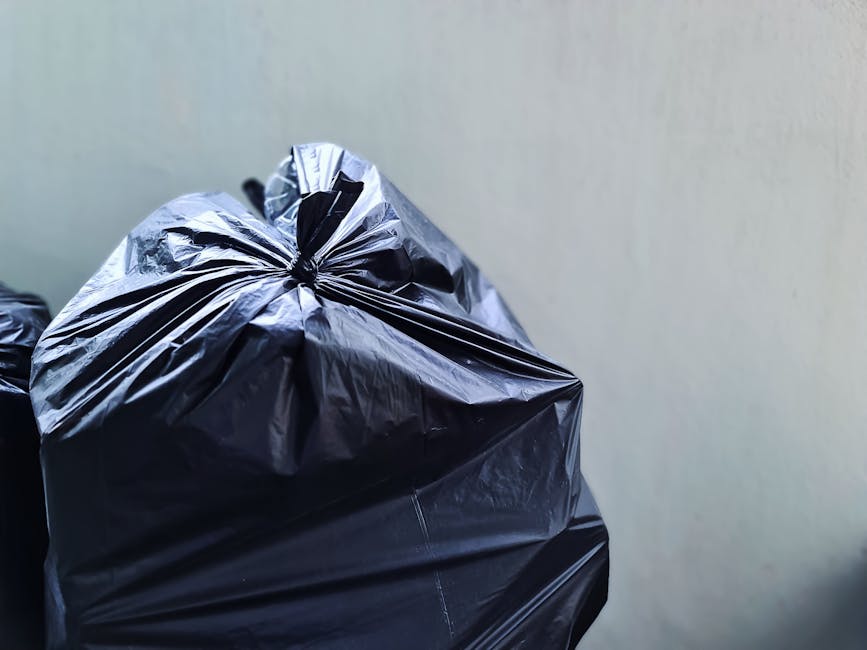
If you live, rent, manage a property, or run a business in Kingston, rubbish disposal can feel straightforward right up until it isn't. One missed bin day, the wrong bag, or a pile left by the pavement, and suddenly you're dealing with complaints, mess, or avoidable hassle. This guide explains What to know about rubbish disposal rules Kingston Council in plain English, so you can stay on the right side of local expectations without overthinking every bin bag.
We'll cover how waste collection usually works, what tends to go where, common mistakes, and the practical bits people actually need. If you're sorting out a one-off clear-out, moving home, or just trying to keep your household routine tidy, this should save you time. And to be fair, that's the whole point.
Why this matters
Rubbish rules are not just about keeping the street looking decent, although that helps. They also affect hygiene, pests, access for walkers and drivers, and how smoothly waste crews can do their job. A bag left out too early can tear open in the rain. A bin overfilled can tip into the road. A wrong item in the wrong container can contaminate recycling. Small things, big ripple effect.
In Kingston, as in other London boroughs, the practical aim is usually the same: put waste out correctly, at the right time, in the right container, and separate recycling from general rubbish where required. If you're in a flat, the rules can feel even more sensitive because shared bins, narrow communal areas, and mixed household habits make mistakes more likely. That's where a bit of structure helps.
There's also a financial side. Poor waste handling can lead to complaints from neighbours, nuisance issues for landlords or managing agents, and in some cases enforcement action if rubbish is dumped illegally or placed incorrectly. No one wants that for the sake of a couple of loose black sacks. Really, nobody.
If you're dealing with a bigger clean-up after a renovation, tenancy changeover, or property refresh, it can help to pair waste planning with a proper clean. Services like deep cleaning or move-out cleaning are often used alongside a clear waste routine so the property is left orderly and manageable.
Table of Contents
- Why this matters
- How rubbish disposal works in Kingston
- Key benefits of following the rules
- Who needs this guidance and when it makes sense
- Step-by-step guidance
- Expert tips for better results
- Common mistakes to avoid
- Tools, resources and recommendations
- Law, compliance and best practice
- Options and comparison
- Case study example
- Practical checklist
- Conclusion
- Frequently Asked Questions
How rubbish disposal works in Kingston
At a practical level, rubbish disposal usually comes down to three questions: what type of waste is it, where should it go, and when should it be presented for collection? That sounds simple, but the answer can change depending on the waste stream, your property type, and whether you live in a house, flat, or managed building.
Most households need to think about general rubbish, dry recycling, food waste where provided, garden waste if applicable, and larger items that do not fit in a normal bin. Commercial premises need to be more careful still, because business waste has its own handling and duty-of-care expectations. A busy office, for example, will usually need a much more consistent system than a one-bed flat.
In day-to-day terms, good waste management is less about memorising every rule and more about building a routine. Separate recyclables before they go into the bin. Keep lids closed. Don't leave loose waste on the pavement. Remove items that do not belong in the collection stream. Simple habits, but they matter.
If you are cleaning out a property and the rubbish has grown into a small mountain of "I'll deal with that later" items, it can be worth pairing the process with a one-off cleaning visit or a regular cleaning plan so the house doesn't slide straight back into clutter.
Practical summary: the safest approach is to sort waste before collection day, use the correct bin or container, and never assume a bulky item, builder's debris, or mixed material can go in the same place as household rubbish.
What usually counts as general rubbish?
General rubbish is the stuff that cannot be reused or recycled through the normal household recycling stream. Think food-soiled packaging, broken items that are not recyclable in your local setup, hygiene waste, and mixed materials that cannot be separated easily.
What usually counts as recycling?
Recycling generally includes clean dry materials such as certain plastics, cans, glass, paper, and cardboard, depending on what is accepted in the local collection system. Clean is the key word. A greasy pizza box, for example, is not the same as a clean cardboard delivery box. Small distinction, but it matters.
Key benefits of following the rules
Doing rubbish disposal properly is not just about avoiding penalties. It brings a few everyday advantages that make life easier, especially in busy households or managed properties.
- Cleaner kerbside areas: fewer smells, spills, and windblown litter.
- Less bin contamination: recycling has a better chance of being accepted when the right items are separated.
- Reduced neighbour friction: shared waste spaces stay calmer when everyone follows the same system.
- Better pest prevention: closed, timed, and correctly stored waste is less attractive to vermin and insects.
- Fewer last-minute problems: you waste less time trying to solve a collection-day mess at 8am in the drizzle.
There's also a property-management benefit. If you rent out a flat or let a room, tidy waste handling can make inspections, check-outs, and changeovers smoother. Landlords notice this kind of thing. So do cleaners, by the way.
For homes that need a deeper reset before or after a move, services like end of tenancy cleaning, move-in cleaning, and house cleaning can support the wider tidy-up once waste has been cleared.
Who needs this guidance and when it makes sense
Honestly, nearly everyone in Kingston benefits from knowing the basics. But some people need this more urgently than others.
- Homeowners: especially if you are clearing lofts, sheds, or gardens and need to avoid fly-tipping habits.
- Renters: particularly in flats with shared bins or tight collection schedules.
- Landlords and letting agents: because waste issues can damage communal areas and create complaints.
- Business owners: because commercial waste has different expectations and can't just be mixed with household rubbish.
- People moving home: when the amount of waste spikes fast and old packaging, broken items, and unwanted furniture all appear at once.
If you're in the middle of a property transition, rubbish rules matter twice over. Move-outs create clutter, and move-ins create packaging waste. That's why a clean-and-clear approach is sensible, not obsessive. It keeps the whole process calmer.
Some situations that especially call for care:
- after a renovation or handyman job
- after a long period of accumulated clutter
- when shared bins are already full
- after hosting guests or a short-let stay
- when you're dealing with bulky household items
Step-by-step guidance
If you want a practical method rather than a vague "just sort it out" answer, use this sequence.
- Identify the waste type. Is it general rubbish, recycling, food waste, garden waste, bulky waste, or something that needs specialist handling?
- Separate items before bagging. Keep recyclable materials clean and dry where possible. Don't mix everything together and hope for the best.
- Check the container you're using. Use the correct bin, sack, or communal store if your building has one.
- Break down bulky packaging. Flatten cardboard and bundle loose items neatly. It saves space and reduces mess.
- Place waste out at the correct time. Not too early, not too late. Early placement can create litter and obstruction.
- Keep lids shut and bags secure. This is simple, but people forget it all the time.
- Move anything that should not be collected. If an item is rejected or unsuitable, remove it quickly rather than leaving it to annoy everyone for three days.
- Escalate special waste properly. If something is awkward, hazardous, or too large for normal collection, use the appropriate disposal route.
That routine sounds almost too basic. But basics are what prevent problems. A tidy collection point on a wet Tuesday morning looks very different from a half-open bin with split bags and a trail of packaging blowing down the pavement. Small effort, big difference.
For shared buildings
Shared properties need an extra layer of communication. If your block uses communal bins, make sure residents know where items go and what not to leave beside the containers. Services such as communal area cleaning and commercial cleaning can help keep those spaces presentable, but they cannot replace sensible disposal habits.
For post-renovation jobs
Dust, offcuts, packaging, plaster scraps, and broken fixtures should be handled carefully. Builders' waste is not the same as household rubbish. If you've just finished work, a service like after builders cleaning is often paired with waste removal planning so you don't end up cleaning around debris for another week.
Expert tips for better results
Here are the small things that make a bigger difference than people expect.
- Start sorting before the bin is full. Once a bin overflows, people tend to make lazy decisions.
- Keep one small "unrecyclable" box at home. It stops random items being tossed into recycling just to clear the counter.
- Flatten packaging immediately. If you wait until collection day, it somehow becomes more annoying. Funny how that works.
- Use sturdy bags. Thin bags split, and then you get the little trail of crumbs, teabags, and broken bits nobody wants.
- Store bins in a dry, sheltered place if you can. Wet cardboard and soggy paper are a nuisance in any season, but especially in a damp spell.
- Keep an eye on communal rules. In flats, the "everyone else does it" approach usually ends badly.
One more thing: if you are dealing with soft furnishings, don't treat them like ordinary rubbish unless you are certain that is the correct route. Larger items such as mattresses, sofas, and rugs can need separate handling. If you're refreshing a property, related services like mattress cleaning, sofa cleaning, rug cleaning, and upholstery cleaning may help reduce what needs disposing of in the first place.
Common mistakes to avoid
Most waste problems come from a handful of predictable errors. The good news is they are easy to avoid once you know them.
| Mistake | Why it causes problems | Better approach |
|---|---|---|
| Leaving waste out too early | Creates clutter, attracts litter, and can obstruct paths | Put bins out only in line with collection timing |
| Mixing recycling with food waste | Can contaminate recyclable material | Keep items clean, dry, and separated |
| Using the wrong bag or container | Collection may be refused or delayed | Check the correct set-up for your property |
| Dumping items beside the bin | Looks untidy and may count as fly-tipping or nuisance waste | Arrange proper disposal for excess or bulky items |
| Ignoring shared-bin etiquette | Causes tension in blocks and communal spaces | Agree a simple household routine |
A lot of people also assume "it's only one bag" or "it'll be fine if I leave it by the lid." Usually it won't be fine. The bag splits, someone else complains, and now the problem is bigger than the original one-minute fix. Happens all the time.
Another common misstep is not thinking ahead during moving day. When furniture comes out and boxes pile up, rubbish can snowball fast. Planning disposal early, and booking a move-out cleaning or move-in cleaning slot around the clear-out, keeps the property much easier to manage.
Tools, resources and recommendations
You do not need fancy equipment to manage rubbish properly. A few simple tools make life easier:
- Strong bin liners: less likely to split during lifting or carry-out.
- Labelled containers: helpful in flats, offices, and shared homes.
- Foldable boxes or storage crates: useful for sorting packaging before disposal.
- Cleaning gloves: sensible when handling broken items or awkward waste.
- Door or kitchen caddy: handy for small food waste if your setup allows it.
Beyond tools, the best "resource" is a habit. A five-minute sort at the end of the day beats a frantic Sunday clear-out every single time. If your home or workspace produces more waste than usual, build a routine around the volume you actually have, not the one you wish you had.
For businesses, a regular cleaning plan can help keep waste areas under control. For homes, pairing rubbish handling with domestic cleaning or regular cleaning keeps surfaces clear, which makes sorting much less stressful.
Law, compliance and best practice
Waste disposal in the UK is not only a tidy-up issue; it can also be a compliance issue. Even if you are not dealing with specialist waste, the basic expectation is that you dispose of rubbish responsibly and do not leave it where it can cause nuisance, pollution, or obstruction. Businesses have extra responsibilities around waste storage, transfer, and duty of care, so they need to be even more disciplined.
For ordinary households, the safest approach is to follow the council's instructions for your property type and use common-sense best practice where the instructions are not obvious. That means keeping waste secure, separating recyclable materials where required, and not using public land as an overflow area. If it seems like it shouldn't go there, it probably shouldn't. Simple rule, but a good one.
When in doubt, avoid guessing. Different waste types can require different handling, and local arrangements can vary between houses, flats, and managed developments. For landlords and business operators, it is worth building clear internal instructions so tenants, staff, or contractors do not improvise. Improvisation and rubbish don't mix well.
If your cleaning routine is part of a larger compliance mindset, it may also be worth reviewing practical policies such as health and safety guidance, insurance and safety information, and recycling and sustainability practices. They're not exciting reading, granted, but they support a more responsible way of working.
Options and comparison
There are usually a few ways to deal with household or property waste. The right choice depends on how much you have, what it is, and how quickly you need it gone.
| Option | Best for | Pros | Limits |
|---|---|---|---|
| Regular council collection | Everyday household waste and recycling | Simple, scheduled, usually the most practical for routine use | Not suitable for bulky or specialist items |
| Communal bins | Flats and managed buildings | Convenient for residents, space-efficient | Relies on everyone using them properly |
| Bulky waste or special disposal route | Large or awkward items | Better for furniture, appliances, and excess items | Needs planning and may not be immediate |
| Property clean plus disposal planning | Moves, refurbishments, end of tenancy | More controlled, less stressful, better presentation | Requires advance organisation |
In real life, many people use a combination. A family moving out, for example, may have normal weekly rubbish, a few bulky items, and a lot of cardboard. That's where a layered plan works best: keep the routine waste separate, arrange the awkward items properly, and clean the property once the clutter is under control.
For business premises, the same principle applies. An office might manage everyday waste via internal bins, but paper-heavy clear-outs or post-fit-out debris may need a separate route. If you need help keeping workspaces tidy, office cleaning can support your day-to-day presentation.
Case study example
Picture a typical Kingston flat on a Friday afternoon. Two tenants are moving out, one has a stack of Amazon boxes in the hallway, there are broken coat hangers in a bag by the door, and a half-empty recycling bin is sitting next to a bin bag full of mixed waste. By Monday morning, the communal area smells a bit stale and the landlord has a complaint.
Now compare that with a more organised approach. Boxes are flattened as soon as the items are unpacked. Recycling goes into the correct container. General rubbish is bagged securely and put out only when needed. A final clean is done after the waste is gone, not before. The difference is obvious the moment you walk in. Less clutter, less smell, less stress.
That's the practical reality of rubbish disposal rules. They're not abstract. They shape how a home feels, how quickly a move gets finished, and how people interact in shared spaces. A tidy bin area is one of those little things that makes a building feel looked after.
Practical checklist
Use this before collection day, after a clear-out, or when you're setting up a waste routine in a new place.
- Have I separated recycling from general rubbish?
- Are bags tied securely and not overloaded?
- Is any food waste contained properly?
- Have I flattened boxes and bulky packaging?
- Am I using the right bin or communal container?
- Have I removed anything that should not go in normal collection?
- Is the bin area clean, dry, and easy to access?
- Do I need a separate plan for bulky items?
- Have I checked whether the property has shared rules or building instructions?
- Do I need help with cleaning once the waste is cleared?
If you can tick most of those off, you are in a good place. Not perfect, maybe. But good enough to avoid most headaches, which is usually the real win.
Conclusion
Understanding rubbish disposal rules in Kingston is really about making everyday life easier. Put waste in the right place, separate what needs separating, avoid leaving bags where they don't belong, and plan ahead for anything bulky or awkward. That alone solves most issues people run into.
The bigger picture is just as important: tidy waste habits support cleaner homes, better communal spaces, safer walkways, and less hassle when you are moving, renovating, or managing a property. If you treat waste as part of the cleaning process rather than an afterthought, everything feels smoother. More manageable. Less chaotic, frankly.
And if the job has turned into more than a simple tidy-up, that's normal too. Homes get busy, life gets busy, and rubbish has a way of multiplying when no one is looking. Start with one bag, one box, one bin. Then keep going. You'll feel the difference fast.
Get a free quote today and see how much you can save.
Frequently Asked Questions
What is the main thing to remember about rubbish disposal rules in Kingston?
The key thing is to use the correct bin or disposal method for each waste type, and to put items out in a clean, secure, and timely way. If you are unsure, treat mixed or unusual waste with extra caution rather than guessing.
Can I put everything in one bin bag if it is only a small amount?
Usually not. Even small amounts can still be separated into recycling and general waste. Mixing everything together may contaminate recyclable material and create avoidable problems at collection time.
What should I do with bulky items like furniture or a mattress?
Bulky items usually need a separate disposal route rather than ordinary household bins. If you are emptying a property, plan ahead so the item does not sit around in a hallway or garden waiting for a solution.
How early can I put my bins out?
It is best not to put bins out too early, because that can clutter pavements and attract litter or pests. The safest approach is to follow the collection timing for your property and avoid leaving waste out overnight unless that is clearly expected.
What happens if I put the wrong thing in recycling?
It may contaminate the load, and in some cases the material may not be accepted. The practical answer is to keep recycling clean and dry and remove anything greasy, dirty, or unsuitable before it goes in.
Are communal bins different from household bins?
Yes, in practice they often are. Communal bins depend on shared responsibility, so residents need to be more careful about sorting, storage, and not leaving waste beside the containers. A little courtesy goes a long way there.
Do rubbish rules matter more for rented properties?
They can, because rentals often involve shared spaces, quick changeovers, and different people using the same waste system. Good habits help keep the property presentable and reduce complaints from neighbours or managing agents.
What is the safest approach after a move or refurbishment?
Sort rubbish as you pack or unpack, keep recyclable cardboard separate, and arrange a proper route for anything oversized or unsuitable for normal collection. Then clean once the waste is cleared, not before it is gone.
Can cleaning help with rubbish disposal problems?
Yes. Cleaning does not replace proper disposal, but it does make the whole process easier. A clean floor, clear counters, and tidy communal areas make sorting waste much less stressful. Services like deep cleaning or one-off cleaning can be especially helpful after clutter builds up.
How do I keep my waste area from smelling bad?
Keep lids closed, avoid overfilling bags, empty food waste regularly, and clean the bin area when spills happen. A quick wipe now is much easier than trying to deal with a sour smell later on.
What if I live in a block and other residents are using the bins badly?
Start with the building's normal reporting route if there is one. In the meantime, keep your own waste sorted and secure, because one messy neighbour is annoying enough without everyone joining in. Shared spaces work best when at least some people stay disciplined.
Is it worth getting professional cleaning before I deal with rubbish?
Sometimes, yes. If a property is dusty, cluttered, or difficult to move around in, cleaning first can make the sorting process safer and faster. For larger clear-outs, a combination of cleaning and waste planning is often the most sensible approach.