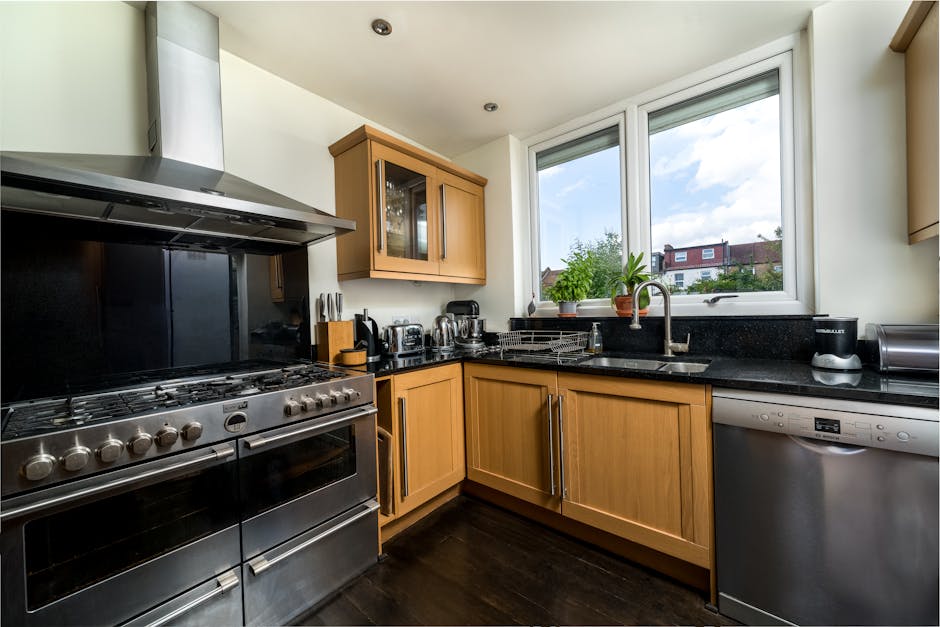
Landlord case study Kingston KT2 end of tenancy clean outcome
If you are a landlord, letting agent, or property owner trying to figure out what a proper end of tenancy clean actually delivers, this case study-style guide should help. The phrase Landlord case study Kingston KT2 end of tenancy clean outcome sounds specific because it is specific: it is about what happens when a rented property in Kingston KT2 is cleaned to handover standard, what usually improves, and what kind of outcome you can realistically expect at the end of the tenancy. Not the fluffy version. The real one.
In practice, that means looking at presentation, hygiene, deposit protection, tenant turnover, and the small details that often decide whether a check-out feels smooth or turns into a back-and-forth headache. We will walk through why the outcome matters, how the process works, what landlords should look for, and where end of tenancy cleaning makes the biggest difference. You will also get a checklist, a comparison table, and a few grounded tips from real-world rental experience in Kingston.
One thing becomes clear very quickly: a good clean is not just about "looking nice". It can shape the whole letting handover. And yes, that includes the bits people forget until they stand in the kitchen at 8am and notice the extractor fan is still sticky. That sort of thing.
Table of Contents
- Why Landlord case study Kingston KT2 end of tenancy clean outcome Matters
- How Landlord case study Kingston KT2 end of tenancy clean outcome Works
- Key Benefits and Practical Advantages
- Who This Is For and When It Makes Sense
- Step-by-Step Guidance
- Expert Tips for Better Results
- Common Mistakes to Avoid
- Tools, Resources and Recommendations
- Law, Compliance, Standards, or Best Practice
- Options, Methods, or Comparison Table
- Case Study or Real-World Example
- Practical Checklist
- Conclusion
- Frequently Asked Questions
Why Landlord case study Kingston KT2 end of tenancy clean outcome Matters
Let's face it: end of tenancy cleaning is one of those jobs that looks straightforward until you are actually comparing the before and after. In Kingston KT2, where rental properties can range from compact flats to family homes near busy streets and greener residential pockets, the standard at move-out has to be consistent. That is the point of the whole exercise.
For landlords, the outcome matters for three big reasons. First, it affects how quickly a property is ready to re-let. Second, it influences the tone of the inventory and check-out process. Third, it can reduce the number of avoidable disputes about cleaning, wear, and condition. A property that has been properly cleaned is far easier to assess fairly. You can see what is normal wear, what needs repair, and what is just dirt that was left behind.
In a local rental market, presentation also affects first impressions. A clean hallway, wiped skirting boards, and a fresh bathroom can change the feel of a property instantly. It sounds simple, but the difference between "acceptable" and "move-in ready" is often visible the moment the front door opens. The smell changes, too. Not perfume, thankfully. Just clean air, no stale cooking odours, no damp cloth smell hanging around in the background.
There is another side to it. A poor cleaning outcome can create delay. That means extra visits, extra calls, and sometimes awkward conversations with outgoing tenants. Nobody really enjoys that. The cleaner the outcome, the less emotional energy everyone has to spend on arguing over the oven seal or the shower screen. And honestly, who has time for that?
For landlords managing several properties or one higher-value let, the quality of the final clean is part of the asset management process. It is not an add-on. It is part of protecting the property's condition and keeping the next tenancy on track.
How Landlord case study Kingston KT2 end of tenancy clean outcome Works
An end of tenancy clean is usually carried out after the tenant has removed belongings and before the final inspection or around the same time as check-out. The aim is to return the property to a clean, presentable, and handover-ready condition. In a Kingston KT2 rental, that may include a flat in a newer block, a terraced house, or a shared property with multiple bathrooms. The process adjusts slightly depending on layout, but the logic stays the same.
Typically, a professional clean focuses on the areas that tenants use most and that landlords and letting agents inspect most closely: kitchens, bathrooms, floors, internal glass, fixtures, skirting boards, and touchpoints like switches and handles. If the property has appliances, those often need extra attention. Grease, limescale, crumbs, and general buildup are the usual culprits. Nothing exotic. Just the normal mess of day-to-day living, accumulated over months.
What counts as a successful outcome? A successful outcome means the property appears hygienic, refreshed, and aligned with expected move-out standards. It does not mean the home is magically brand new. That is where expectations matter. A good clean improves the result dramatically, but it does not remove structural defects, damaged fixtures, or normal ageing.
In a practical sense, the workflow often goes like this:
- Initial walkthrough and scope check.
- Identify priority rooms and problem areas.
- Deep clean the kitchen and bathrooms first.
- Work through bedrooms, living areas, and hallways.
- Finish with floors, glass, fixtures, and final touch-ups.
- Inspect again before sign-off or handover.
That final inspection is the quiet hero of the process. It catches the little things: a missed cupboard shelf, dust on top of a door frame, a fingerprint on a window. Tiny things, yes, but they stack up. And in rental handovers, tiny things matter more than people like to admit.
Key Benefits and Practical Advantages
The benefits of a well-executed end of tenancy clean go beyond appearance. For landlords, the practical gains are often where the real value sits.
- Faster re-let potential: A clean property is easier to photograph, market, and show.
- Better inspection clarity: You can separate cleaning issues from genuine damage.
- Lower friction: Cleaner handovers tend to mean fewer arguments about standard.
- Stronger tenant experience: A properly handed-over property feels professional from day one.
- More consistent standards: Helpful if you manage multiple lets and want repeatable results.
There is also a quieter benefit that people often overlook: confidence. When a landlord walks into a property and it smells clean, looks tidy, and feels cared for, the whole next stage becomes easier. You are not starting from a place of doubt. You are starting from a place of control. That matters more than it sounds.
For tenants, the same outcome can reduce the chance of cleaning-related deductions if the tenancy agreement requires the property to be returned in a professionally cleaned or similarly clean condition. For agents, it simply makes everything smoother. Less chasing, fewer complaints, cleaner records. A decent outcome does a lot of invisible work.
And because this is Kingston KT2, location matters in a practical sense too. Properties in busier streets, near transport routes, or with frequent occupancy changes may show wear differently from quieter homes. Dust gathers, windows get traffic film, kitchens absorb smells. The clean has to match that reality.
Who This Is For and When It Makes Sense
This kind of outcome is most useful for landlords and managing agents, but not only them. If you are involved in the final state of a rental property, the process probably applies to you.
- Private landlords who want a reliable, documentable handover.
- Letting agents coordinating check-outs and re-marketing.
- Investors preparing a Kingston KT2 property for the next occupant.
- Tenants who want to reduce avoidable disputes at move-out.
- Property managers handling multiple lets and time-sensitive turnovers.
It makes sense when a tenancy has ended, when a property has been vacant for a while, or when a home needs to be brought back up to presentation standard after a long occupancy. It also makes sense before photos, viewings, or a valuation visit. To be fair, there is nothing glamorous about cleaning a vacant flat in winter while the windows are still steamed from earlier use. But that is exactly when the difference shows.
If the property has pets, heavy cooking use, children, or a longer tenancy, the clean becomes even more relevant. The same is true if the property has carpets, upholstery, or appliances that need more than a quick once-over. In those cases, a standard tidy-up usually will not be enough. You need the proper version, not the rushed version.
Step-by-Step Guidance
Below is a practical way to approach a landlord end of tenancy cleaning outcome in Kingston KT2 without overcomplicating it.
1. Start with the check-out reality, not assumptions
Before anything is cleaned, inspect the property as it actually is. Which rooms are most used? Are there stubborn marks in the kitchen? Is the bathroom showing limescale? Are windows, skirting boards, or internal doors visibly dull? This gives you the real scope.
2. Prioritise high-risk areas
The kitchen and bathroom nearly always matter most. Grease, grime, limescale, soap residue, and food debris can make a property look tired fast. Concentrate on visible surfaces first, then detail items such as extractor fans, cupboard fronts, taps, and sinks.
3. Work from top to bottom
Clean high areas first so dust does not fall onto already-clean surfaces. Shelves, tops of cupboards, light fittings, and door frames should come before floors. It sounds obvious, but people still do it the hard way. Humans, eh?
4. Tackle fixtures and fittings carefully
Switches, handles, radiators, internal glass, and skirting boards are small details with big visual impact. If these are left dusty, the property can still feel unfinished even if the main surfaces are clean.
5. Finish with floors and final inspection
Vacuum, mop, and then look again with fresh eyes. If possible, check the property in daylight or with strong indoor lighting. Evening light can hide smudges and streaks. Morning light, annoyingly, tends to reveal everything.
6. Document the outcome
For landlords, a few clear photos after the clean can help with records. This is not about making the file look pretty. It is about having evidence of condition at handover. Useful, calm, practical. Exactly what you want when someone later says, "I'm sure that mark was already there."
Expert Tips for Better Results
Here are the kinds of small decisions that often separate an average clean from a genuinely strong outcome.
- Use the right order: Kitchen, bathroom, and dust-heavy areas first; floors last.
- Do not ignore smells: Open windows where possible and deal with bins, drains, and hidden food residue.
- Check hidden edges: Behind appliances, under sinks, around taps, and along door bottoms.
- Match the clean to the tenancy length: A short let and a multi-year tenancy usually need different levels of effort.
- Do a final pass at eye level: This is where streaks and fingerprints show up.
One useful habit is to clean with the next viewer in mind. Imagine the first person walking in to view or collect keys. What will they notice first? They will not notice the invoice. They will notice the sink, the shower, the smell, the floors. Probably the light switch too, if it is grubby. People are funny like that. They see the tiniest thing and decide the whole property feels "well kept" or not.
If you are handling multiple properties, create a repeatable standard. The aim is consistency. That is the real win. You want the same result whether the unit is a studio, a two-bed flat, or a family home with a slightly rebellious oven.
And one more thing: do not overpromise. If a property has damage or wear, say so clearly. A good clean improves the outcome; it does not erase history.
Common Mistakes to Avoid
Most cleaning-related handover problems come from a few predictable mistakes. None are dramatic. They are just annoying, which may be worse.
- Leaving the kitchen half-done: Cupboards, splashbacks, cooker hoods, and appliances are easy to underestimate.
- Forgetting touchpoints: Light switches, handles, banisters, and remote controls collect more grime than people realise.
- Cleaning around clutter: If items are left behind, the result is incomplete from the start.
- Skipping windows and frames: A clean room can still look tired if glass and frames are neglected.
- Assuming "vacuumed" means "finished": It rarely does.
Another mistake is treating end of tenancy cleaning as the same as regular domestic cleaning. It is not the same thing. A regular clean maintains a lived-in home. An end of tenancy clean aims to hand the property back in a standard suitable for inspection, marketing, and new occupancy. Different purpose, different outcome.
There is also the old trap of leaving it too late. When cleaning is squeezed into the last hour before keys are handed back, corners get cut. That is when oven doors get forgotten, bathroom fittings get missed, and everyone ends up rushed. Rushed cleaning is almost always visible. Almost always.
Tools, Resources and Recommendations
You do not need a mountain of kit, but the right tools make the job far easier. Whether you are managing the clean yourself or overseeing a contractor, these basics are worth having in mind.
- Microfibre cloths for dust and shine.
- A reliable vacuum with attachments for corners and upholstery edges.
- Mop and bucket or a floor system suitable for the surface type.
- Glass-safe cleaner for mirrors and windows.
- Non-abrasive bathroom and kitchen products.
- Detail brushes for vents, tracks, and grout lines.
- Trash sacks and sorting bags for leftover items.
For landlords who want a broader property reset, it can also help to think beyond surface cleaning. A property may benefit from deep cleaning if the tenancy has been long, the condition is uneven, or the clean needs to go beyond a standard turnover. In some homes, especially where carpets or upholstered furniture have absorbed wear, a linked service such as carpet cleaning or oven cleaning may make the overall result much stronger.
If you are comparing the wider move-out process, it can also be useful to read about end of tenancy cleaning and move-out cleaning. They sound similar because they are related, but the emphasis can differ slightly depending on the property, the tenancy, and the handover expectations.
Sometimes a landlord also needs a fast turnaround. If the schedule is tight, a service like one-off cleaning may be relevant as part of the overall plan. Truth be told, timing can be the real battleground here, not the mop.
Law, Compliance, Standards, or Best Practice
Cleaning itself is not usually the legal issue. The issue is the tenancy condition, the inventory evidence, and whether the property is returned in the condition required by the tenancy agreement, allowing for fair wear and tear. That distinction matters. A lot.
Landlords should be careful not to present cleaning as a way to charge for normal ageing. A dirty oven is not the same thing as an old oven. A stained carpet is not always the same as damaged carpet. Context matters, and so does evidence. If you manage the handover well, you are less likely to drift into avoidable disputes.
Best practice usually means:
- Having a clear inventory at move-in.
- Recording the condition at check-out.
- Using consistent cleaning standards across lets.
- Keeping communication calm and factual.
- Distinguishing wear from neglect.
For waste removal, recycling, or leftover items, local disposal rules may also matter. If the previous occupier has left rubbish, old bedding, broken items, or other waste behind, be cautious and check the appropriate handling route before moving things around. That is especially true in larger clear-outs or where discarded items include anything that should not go in general waste. It is one of those boring details that can save a lot of hassle later.
Health and safety also matters on the cleaning side. Wet floors, chemicals, sharps, mouldy items, and heavy lifting all need sensible care. If you are unsure, use a professional standard rather than improvising. There is no prize for making the job harder than it needs to be.
Options, Methods, or Comparison Table
Landlords in Kingston KT2 usually choose between doing the work themselves, using a general cleaner, or booking a specialist end of tenancy service. Each has pros and trade-offs.
| Option | Best For | Pros | Trade-offs |
|---|---|---|---|
| DIY clean | Small, lightly used properties | Low immediate cost, full control | Time-consuming, harder to reach professional finish |
| General cleaner | Routine upkeep and lighter turnover | Flexible, familiar approach | May not cover intensive end-of-tenancy detail |
| Specialist end of tenancy clean | Move-out handovers and re-letting | More thorough, better suited to inspection standards | Higher upfront cost than DIY |
| Combined approach | Properties needing both deep clean and specific add-ons | Targets problem areas efficiently | Needs good coordination and scope clarity |
The right choice depends on the property's condition, the turnaround time, and how critical the next inspection is. If the home is relatively tidy and you have time, DIY might be enough. If the property needs to be let again quickly or the finish has to look crisp, a specialist option is often more sensible. No drama. Just fit-for-purpose decision-making.
Case Study or Real-World Example
Here is a realistic Kingston KT2 scenario based on the kind of job landlords ask for all the time.
A landlord takes back a two-bedroom flat after a long tenancy. The tenant has moved out, the keys are returned, and the property needs to be made presentable for new viewings the following week. On inspection, the main issues are obvious: light grease in the kitchen, limescale in the bathroom, dust around skirting boards, and a few marks on glass and high-touch surfaces. Nothing catastrophic. Just enough to make the flat feel tired.
The clean focuses first on the kitchen and bathroom. Appliance fronts are wiped, the oven is detailed, taps are descaled, and the shower screen is brought back to a clearer finish. Then the bedrooms and living room are dusted, floors are vacuumed and mopped, and the internal windows are cleaned. After that, the property is inspected again in daylight. A few small touch-ups are needed. A smudge on a door handle. A corner behind a radiator. Easy enough.
The outcome is straightforward but meaningful: the flat looks fresher, brighter, and much easier to market. More importantly, the landlord can record the condition clearly and move on with viewings without feeling like the property is apologising for itself. You know the feeling when a place suddenly stops looking "used" and starts looking "ready"? That.
That is the real value of a good Landlord case study Kingston KT2 end of tenancy clean outcome. Not perfection. Readiness. A clean, practical, inspection-friendly result that helps the next stage happen smoothly.
Practical Checklist
Use this checklist before sign-off or final handover.
- All rubbish and unwanted items removed.
- Kitchens cleaned, including cupboard fronts and appliances.
- Bathrooms cleaned, descaled, and sanitised.
- Floors vacuumed and mopped.
- Skirting boards, switches, handles, and frames wiped.
- Internal glass, mirrors, and visible marks cleaned.
- Bedrooms and living areas dust-free.
- Light fittings and vents checked.
- Smells addressed, bins emptied, and windows aired where possible.
- Final walk-through completed in good light.
- Photos taken for records if needed.
Quick expert summary: if the property looks clean at first glance but fails in the details, it is not really ready. If the details are right, the whole place usually feels right. Simple, but true.
Conclusion
A strong end of tenancy clean outcome in Kingston KT2 is not about overcomplicating the handover. It is about getting the property back to a standard that feels fair, presentable, and ready for the next chapter. For landlords, that means fewer disputes, better inspection clarity, and a smoother route to re-letting. For tenants, it means a cleaner finish and fewer unnecessary arguments. For agents, it means less chasing and a more professional process overall.
If you want the best result, focus on the areas that matter most, clean with the final inspection in mind, and do not leave the details to chance. The properties that feel easiest to hand over are usually the ones where the work was done carefully, not hurriedly. And that calm, steady finish? It shows.
Get a free quote today and see how much you can save.
Frequently Asked Questions
What does a landlord case study Kingston KT2 end of tenancy clean outcome usually include?
It usually includes a full property clean focused on kitchens, bathrooms, floors, fixtures, and touchpoints, plus a final inspection to check the handover standard. The exact scope depends on the property's size and condition.
Why is end of tenancy cleaning so important for landlords?
Because it helps with re-letting, reduces cleaning-related disputes, and makes it easier to tell the difference between dirt, wear, and actual damage. That clarity is extremely useful at check-out.
Can a standard domestic clean achieve the same result?
Sometimes, but not always. A domestic clean maintains a lived-in property, while an end of tenancy clean is designed for handover and inspection. The expectations are usually higher.
How long does an end of tenancy clean take?
It depends on the size, layout, and condition of the property. A lightly used flat will take less time than a larger home with heavy kitchen or bathroom buildup. Time also depends on whether extra services are needed.
What areas do landlords usually check most closely?
Kitchens and bathrooms are usually the biggest focus, followed by floors, internal glass, skirting boards, and general surface cleanliness. Those are the areas that tend to affect first impressions most.
Does a good clean remove the need for repairs?
No. Cleaning improves presentation, but it does not fix damage, broken fittings, or worn materials. It is one part of getting the property ready, not the whole picture.
What if the property still smells stale after cleaning?
That can happen if hidden sources remain, such as bins, drains, carpets, soft furnishings, or neglected appliances. A more detailed clean or a targeted add-on may help.
Should landlords take photos after the clean?
Yes, it is sensible to do so. Photos help document the final condition and can be useful if any questions arise later. Keep them simple and factual.
Is it better to clean before or after the tenant moves out?
Usually after the tenant has fully moved out, because the cleaner can access all areas properly. That said, the timing can vary depending on the handover schedule and access arrangements.
What is the biggest mistake landlords make with move-out cleaning?
Leaving it too late or underestimating the level of detail needed. A quick tidy is rarely enough for a proper handover, especially if the property needs to be re-marketed quickly.
Do carpets or ovens need separate attention?
Often, yes. Carpets and ovens are common trouble spots and may need focused treatment if they are heavily used. A broader clean can help, but some items benefit from specialist attention.
What makes a good outcome in Kingston KT2 specifically?
A good outcome is one that matches the property type, supports a smooth check-out, and leaves the home ready for the next tenant without avoidable delays. Local property standards are still about the same basics: cleanliness, clarity, and consistency.